From sketchto garment

Human taste leads. The public decides what becomes real. Machine intelligence helps make it happen.

Follow the thread
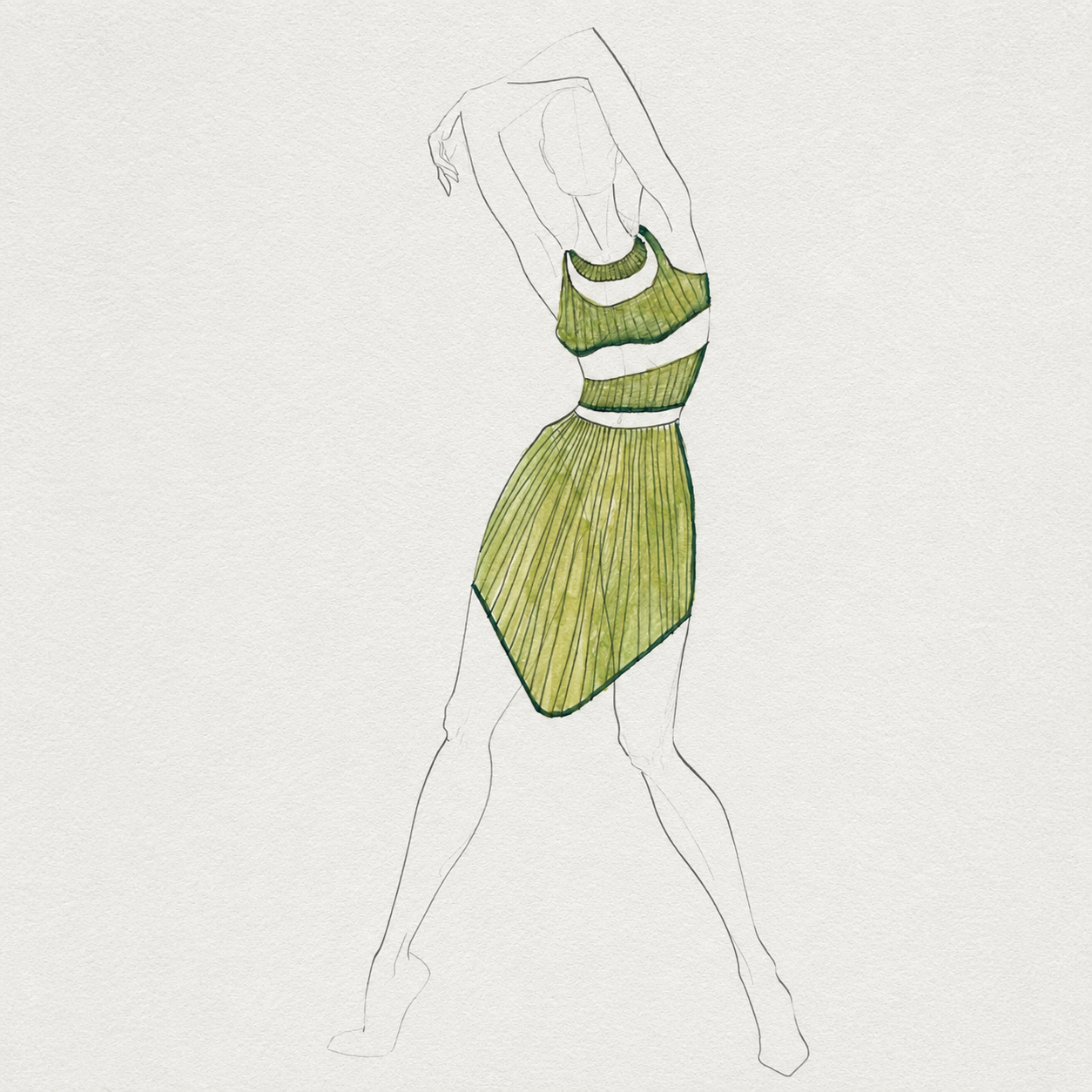
Hand sketch of a green cut-out garment
01 / Hand sketch
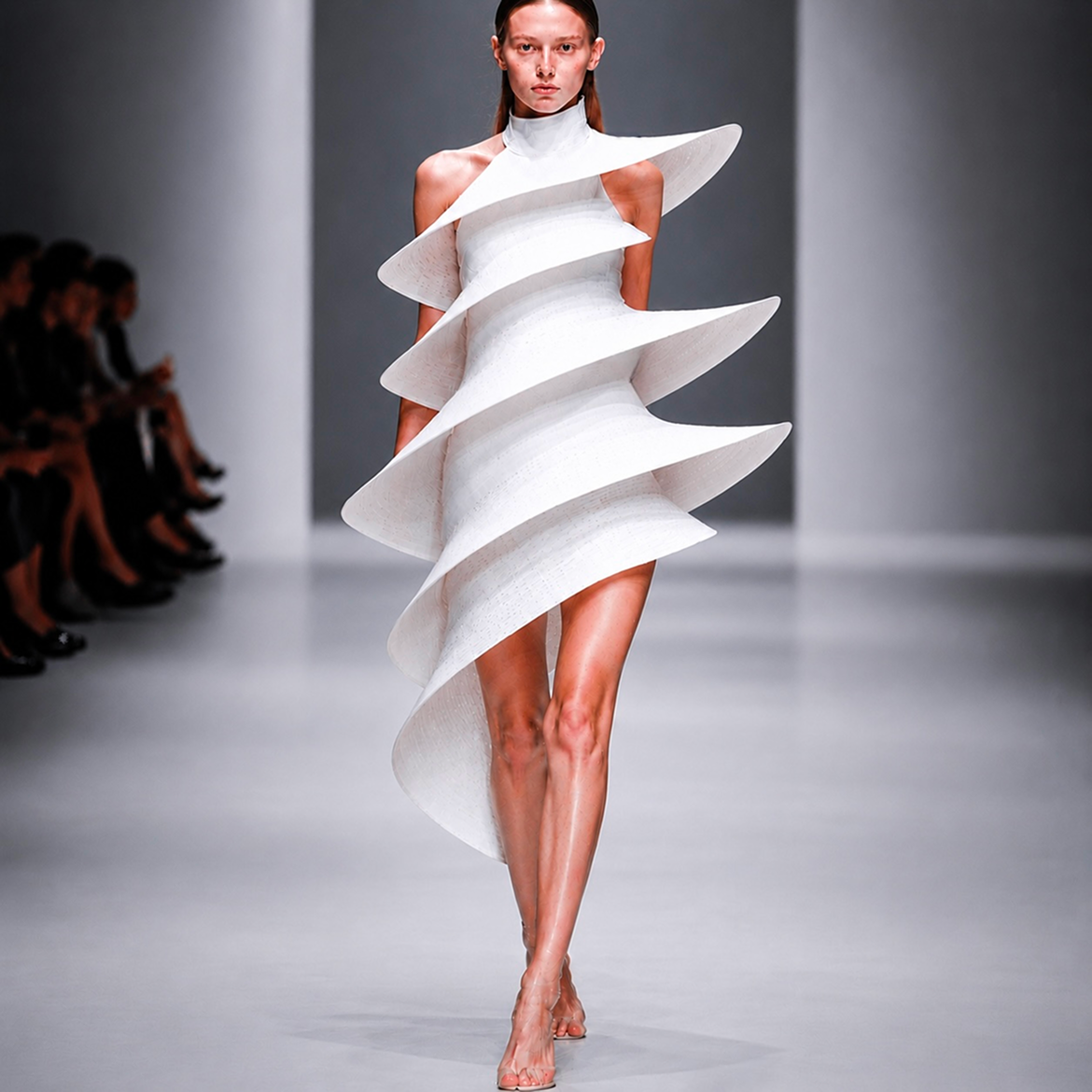
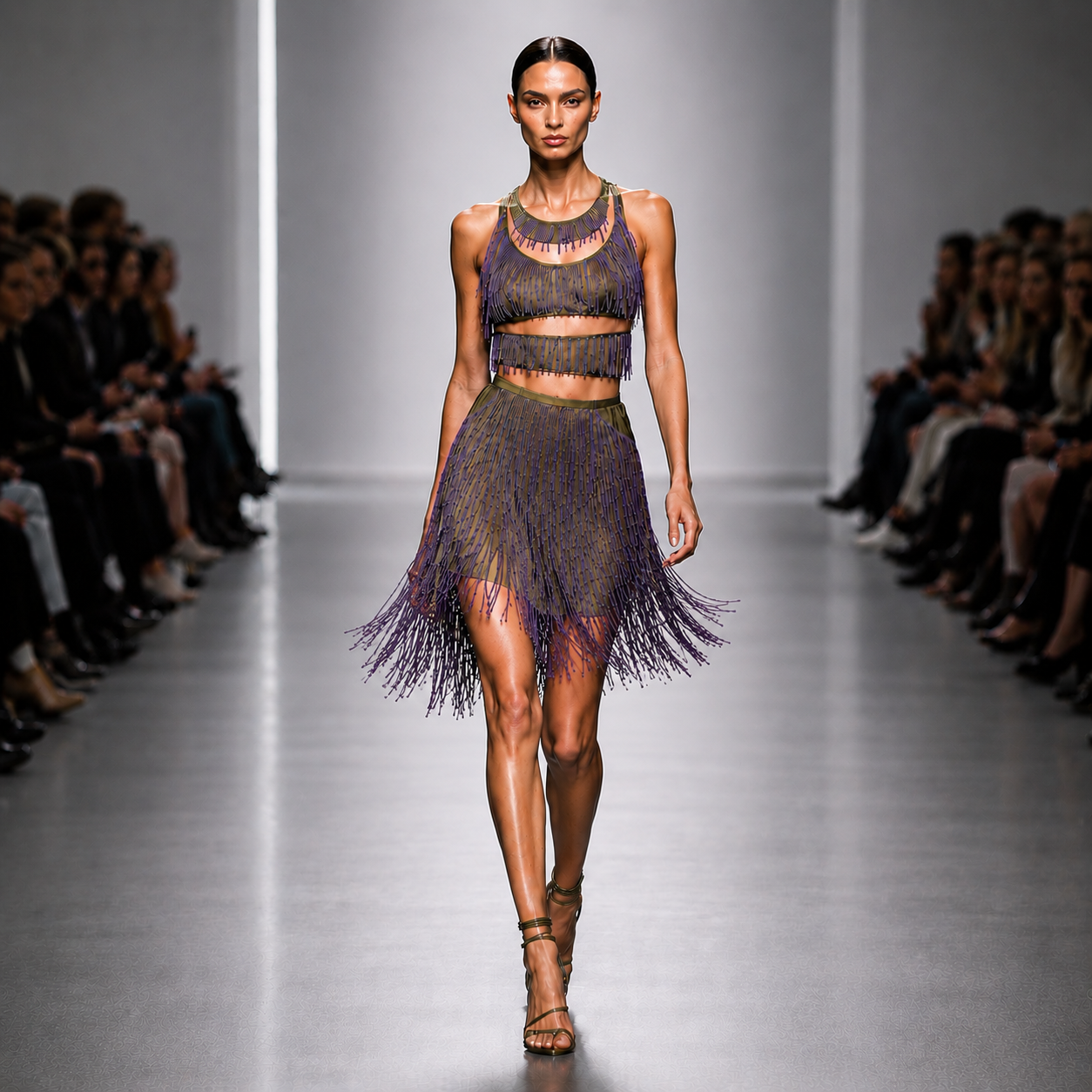
AI-rendered runway image of the finished cut-out concept
02 / Editorial study

Every piece starts with a hand sketch

Our focus is futuristic silhouettes that feel both flattering and comfortable.

This is the working method behind yanabana's AI-native fashion: human taste leads, machine intelligence expands the visual field, and selected concepts move toward real garments.

Every piece starts with a hand sketch. Pen and paper. Sometimes watercolor.

The sketch is then transformed into editorial imagery with AI to imagine what the garment could look like IRL. We've developed a precise process for preserving the originality of the sketch while still making the result feel realistic. That's surprisingly difficult with today's image models, which often drift away from the original input in pursuit of “realism.”

From there, we iterate with AI until something clicks. Sometimes we intentionally let the AI hallucinate to surface unexpected directions. Whether those ideas make it into the final piece is ultimately a matter of taste.

Once we're happy with a concept, we gather public input before selecting garments to produce. Much of the construction is draped directly on a mannequin, though we also use AI-assisted pattern-making for more architectural silhouettes.

Creativity,encoded

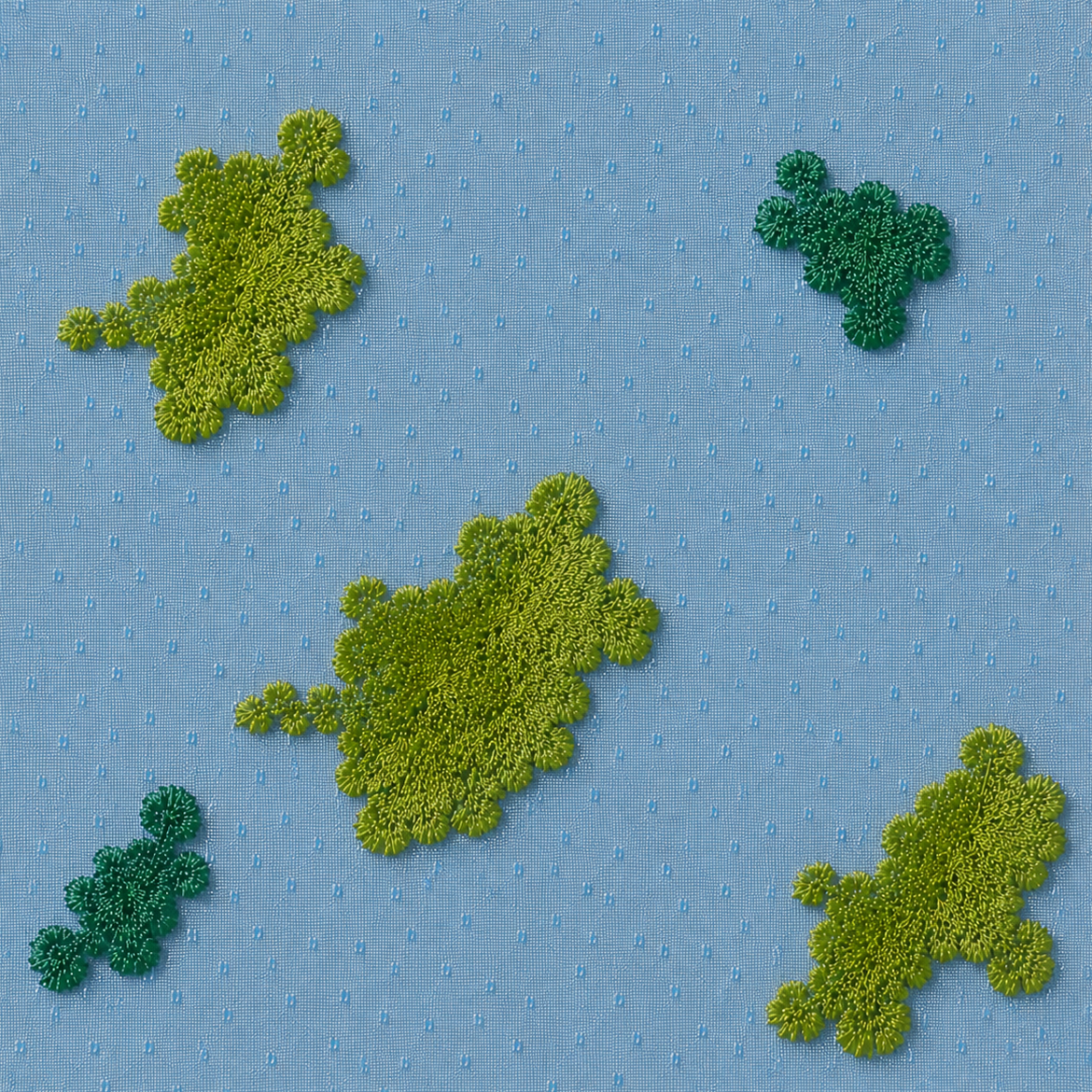
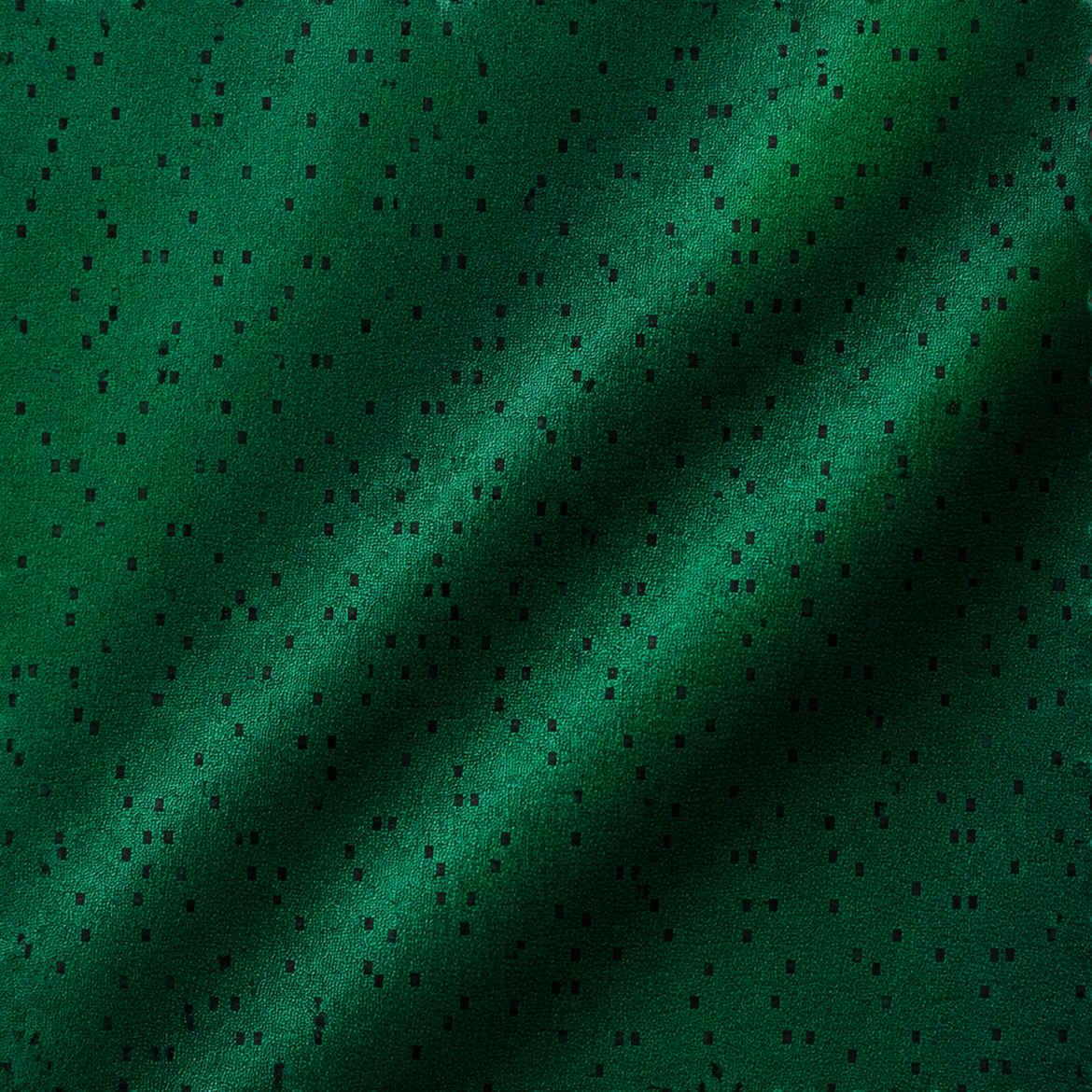
Many of yanabana fabrics start from the same base pattern inspired by mainframe computer punch cards.

The original computer punch cards actually came from fashion.

Early computers borrowed the idea from the Jacquard loom, a programmable weaving machine from the 1800s that used punched cards to control textile patterns automatically. Ada Lovelace even described computers as “weaving algebraic patterns.” So it felt right that an AI-native fashion brand should begin there.

Not with florals.
Not with monograms.
But with the origin of programmability itself.

We also love the aesthetic of the pattern itself: rigid grids, tiny encoded decisions, human creativity compressed into machine-readable form.

People may not notice it at first glance. But hidden inside most garments is a reference to the moment humanity first started turning creativity into code.
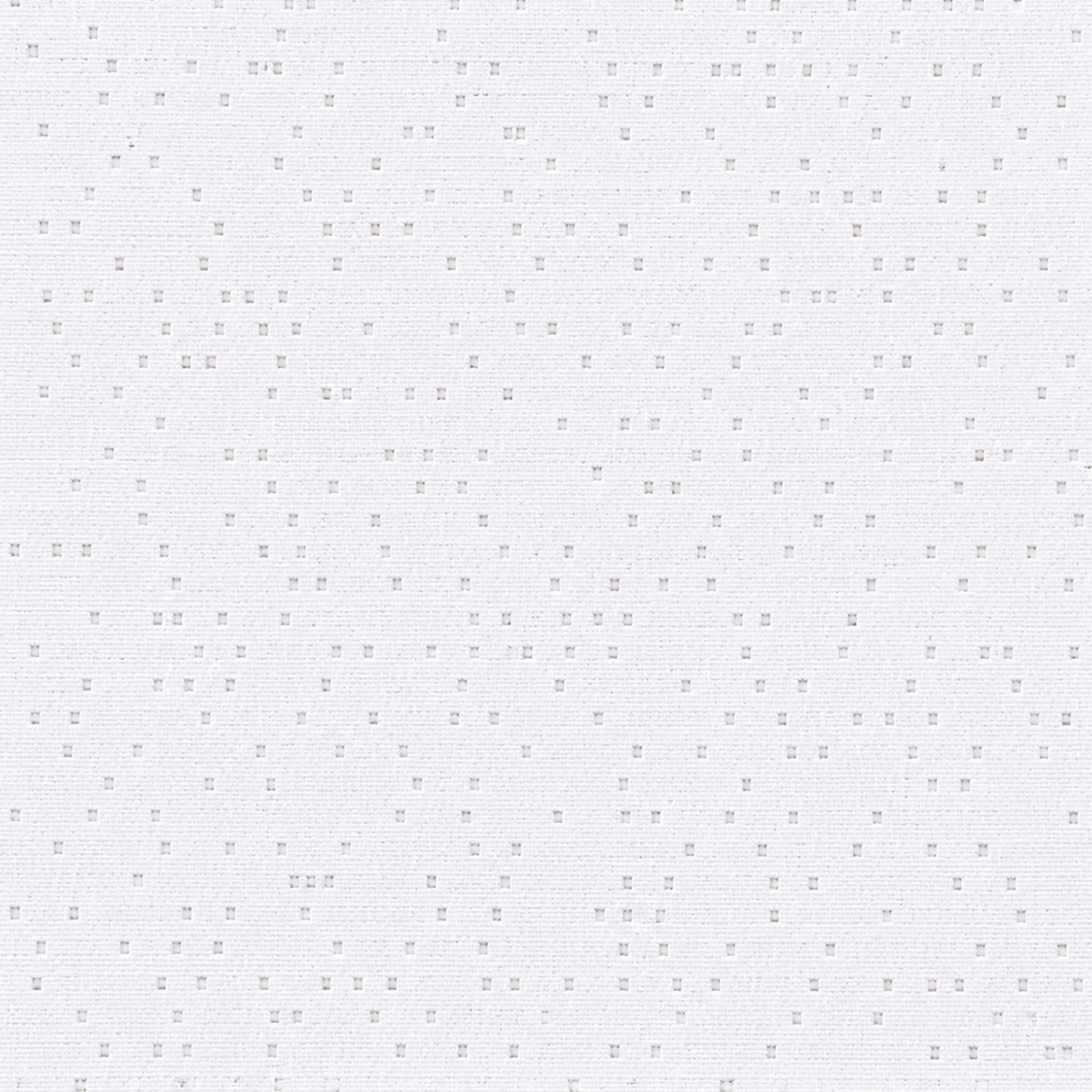
White textile with punch-card inspired holes
01
Blue textile with raised green embroidery patches
02
Green textile with dark encoded punch-card pattern
03
White sculptural runway dress using punch-card textile language
04

Now decide what becomes real

Explore Season 0